How to Rebuild Trust in a Relationship · Private reflection
Is there a foundation for trust repair?
Trust is not rebuilt by a promise alone. This check helps you look at safety, truth, accountability, changed behaviour, boundaries and mutual effort—the conditions that matter when deciding what you need next.
Safety comes first. If you fear violence, coercion, stalking, intimidation, or retaliation, do not use this tool as a reason to confront your partner or attempt joint repair. Prioritise confidential support and safety. A score cannot make an unsafe situation safe.
Choose the answer closest to the repeated pattern, not the best day or the latest promise. Answers stay in your browser and are not sent to a server.
Your reflection
What to consider next
This is an educational reflection tool, not a validated relationship test and not a recommendation to stay or leave. Repair may be possible; distance or separation may sometimes be the safest or healthiest choice.
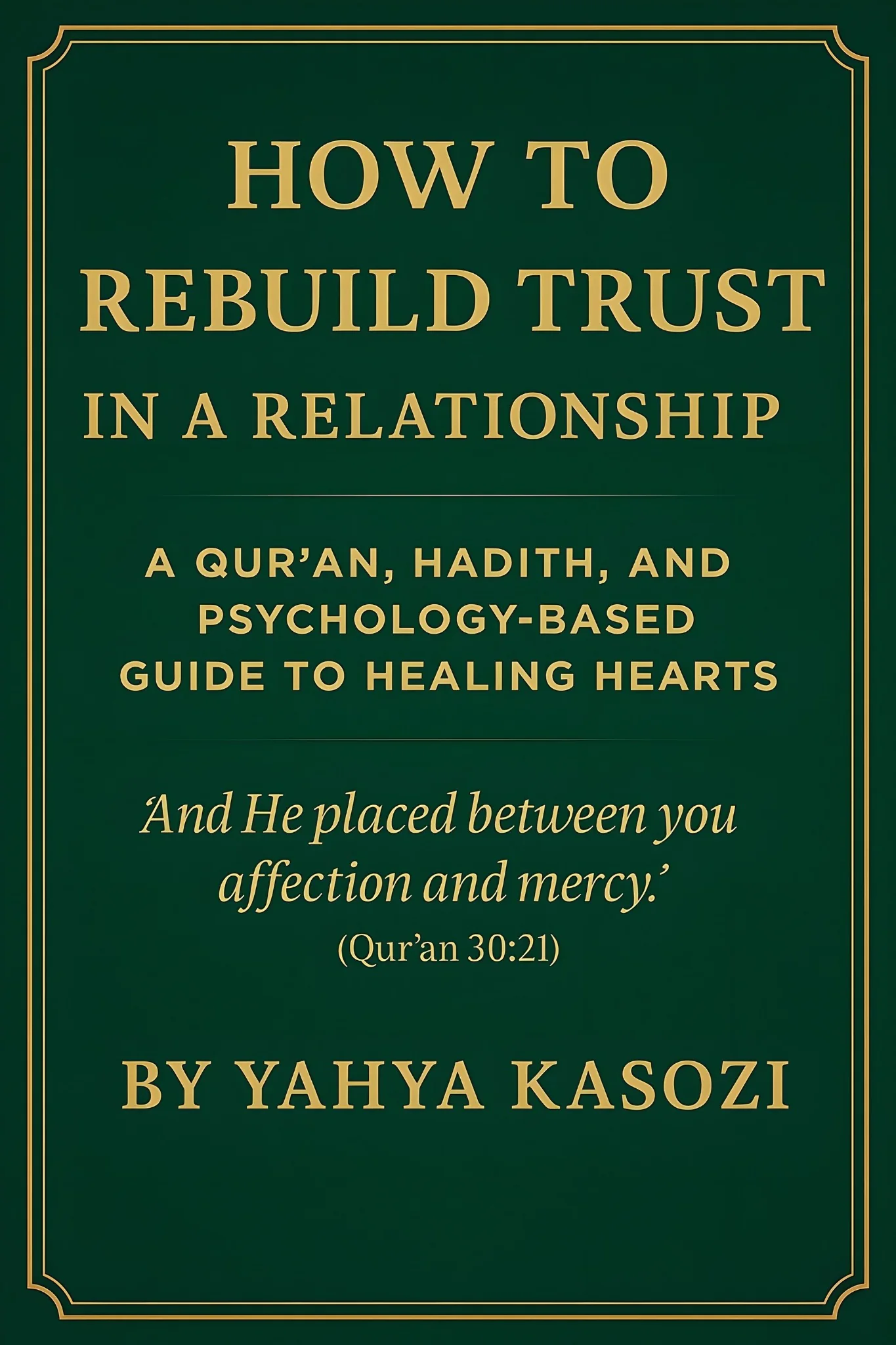
Go deeper · Practical guidance
How to Rebuild Trust in a Relationship
Explore trust, repair, accountability and the work of rebuilding safety after a rupture.